
Malaysia Crude Oil: A Guide to Grades, Basins and Market Role
Categories: Gold and Commodities Trading
Tags: malaysia crude oil
Publish date: 2026-8-7
Malaysia Crude Oil: A Guide to Grades, Basins and Market Role
Malaysia holds a distinct position in the global oil landscape. It is not the largest producer, yet its crude oil carries a reputation that extends well beyond its production volumes. Malaysia crude oil — particularly the Tapis grade — has historically served as a regional pricing reference in Asia, valued for characteristics that make it straightforward to refine into high-value products.
For investors, understanding Malaysian crude means looking beyond daily output figures. It involves knowing the different grades produced, the basins they come from, how they are traded, and why certain Malaysian streams can command premium pricing. This article provides an overview of Malaysia crude oil, from the geology that shapes it to the markets that buy it.
What Makes Malaysia Crude Oil Different

Malaysia produces several crude oil grades, each with its own chemical profile and market positioning. These grades are broadly classified as light, sweet crudes — meaning they have low density and low sulphur content. Refiners value such crudes because they yield more gasoline and diesel with less processing.
The best-known Malaysian grade is Tapis. Produced from fields offshore Peninsular Malaysia through Malaysia crude oil production, it has an API gravity of around 44–46 degrees with very low sulphur content. It is a Malaysian crude stream known for its high quality, which makes it relatively easy to refine. For many years, Tapis was used as a regional pricing reference in the Asia-Pacific. While its role as a formal benchmark has evolved, it remains an important quality reference for market participants.
Other notable Malaysian grades include Kikeh and Kimanis, both from deepwater fields off Sabah. Kikeh was the first deepwater development in Malaysia and the broader Asia-Pacific region, with recoverable reserves estimated between 400 and 700 million barrels. Kimanis adds further light sweet volumes from the same region.
Crudes from Sarawak, including Bintulu and Miri-associated streams, add further variety, with Bintulu among Malaysia's lighter crude streams.
This range of grades gives Malaysia flexibility. Different refineries prefer different crudes depending on their configuration and product slate. Malaysian producers can serve multiple market segments by offering a portfolio of streams rather than relying on a single grade.
Where Malaysia Crude Oil Is Produced
Malaysia's crude oil comes mainly from three offshore regions. Each has distinct geological characteristics and production profiles.
The Malay Basin — Mature and still producing light sweet crude
The Malay Basin lies off the east coast of Peninsular Malaysia and is the country's most mature producing region. It has yielded oil for decades and continues to produce light sweet crude, including Tapis. Many fields here are in decline, but enhanced oil recovery techniques have helped slow the rate of depletion and sustain output from this region.
The Sarawak Basin — Gas-rich with notable crude streams
The Sarawak Basin off the coast of Sarawak has historically been more gas-prone, but it also contributes notable crude volumes alongside its larger gas resources. Fields here produce crudes like the Bintulu and Miri-associated streams, which are among the lightest in Malaysia. The basin continues to see exploration activity, with new finds announced regularly. Much of the basin's hydrocarbons are tied to integrated gas projects centred on the Bintulu LNG complex, though crude production remains an important component.
The Sabah Basin — Deepwater growth driving future output
The Sabah Basin in the east has become increasingly important as exploration has moved into deeper waters. Deepwater fields including Kikeh have added significant crude volumes, and the region continues to attract investment from international oil companies. The geology here is more complex, with higher drilling costs, but the potential rewards are substantial. Sabah has become increasingly important to Malaysia's crude output, and further deepwater development is expected to shape the country's production profile in the years ahead.
Each basin contributes different crude grades, and the balance between them shifts as fields mature and new discoveries come online. For investors, the basin mix matters because it affects the overall quality of Malaysia's crude exports and the cost structure of future production.
Why Tapis Is Malaysia's Most Important Crude Grade
The Tapis crude grade deserves particular attention because of its historical role in Asian oil pricing. Tapis has historically served as a regional pricing reference in Asia. When traders and refiners discussed the market, Tapis was the name they cited alongside Brent and WTI.
This status arose from Tapis's consistent quality and reliable production volumes. Unlike some other regional grades that varied shipment to shipment, Tapis offered buyers a predictable, high-quality crude that was easy to process. A refiner buying Tapis knew exactly what it was getting, and that reliability built trust over decades.
The role of Tapis as a formal benchmark has shifted in recent years. Declining production from mature fields means fewer Tapis cargoes are available, and a benchmark needs sufficient liquidity to function properly. Price reporting agencies have adjusted their assessment methodologies to reflect changing market conditions. However, Tapis remains an important quality reference, particularly for light sweet crudes moving within Southeast Asia. The Tapis premium over other regional grades continues to be tracked by market participants.
For investors, the Tapis story illustrates an important principle. A country does not need to be the largest producer to matter in global markets. Quality and consistency can create a reputation that outlasts production volumes.
How Malaysian Crude Is Priced and Sold
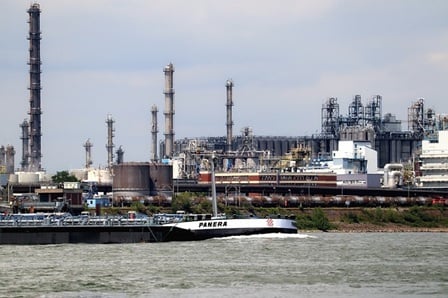
Malaysian crude oil is marketed primarily through Petronas, the national oil company. Petronas, through its trading arm, sells Malaysian grades to refiners across Asia and beyond. Most sales are done through term contracts with regular buyers, though spot cargoes are also available when additional supply reaches the market.
Pricing for Malaysian crude typically references a benchmark — often dated Brent for grades like Tapis and Kikeh — plus or minus a quality differential. The premium or discount reflects the specific characteristics of the grade and prevailing market conditions. When demand for light sweet crude is strong, Tapis can command a significant premium over Brent. When market conditions soften, that premium narrows.
The main buyers of Malaysian crude are refiners in Asia. Thailand, Japan, Australia, and India are all regular customers. In the third quarter of 2025, crude petroleum and condensate exports totalled RM5.3 billion, with Thailand, Australia, and Japan among the largest destinations. These trade flows reflect Malaysia's integration into regional energy supply chains and the steady demand for its light sweet grades.
While Malaysia exports a significant share of its crude, it also imports heavier grades. The country's refineries are configured to process a mix of crudes, and heavier imports supplement the light domestic production. This two-way trade is a normal feature of the global oil market. It reflects the commercial reality that different refineries need different feedstocks. To see these price differentials and trade flows reflected in live market data, you can open a FXCM demo account and track Brent and WTI futures in real time.
Malaysia Crude Oil and Its Role in Asian Markets
Southeast Asia as a whole is a net oil importer, but Malaysia is one of the region's notable crude exporters. This position is shared by few of its neighbours and makes Malaysia an important supplier within ASEAN, particularly to countries like Thailand that run significant refining capacity.
Beyond the region, Malaysian crude competes with other light sweet grades from West Africa, the North Sea, and the United States. The competition for Asian refinery demand is intense, and Malaysian grades must consistently deliver quality to maintain their market share. The fact that they have done so for decades speaks to the reliability of the country's upstream sector.
The Malaysian government and Petronas have signalled their intention to sustain this role. Investment in exploration, enhanced recovery from mature fields, and deepwater development all aim to keep Malaysian crude flowing to regional markets. The Malaysia Bid Round, which offers exploration blocks to international investors, is part of this strategy. By attracting foreign capital and technical expertise, the country seeks to prolong its position as a net exporter.
For investors, Malaysia's status as a net crude exporter carries implications beyond the oil sector itself. The ringgit can be sensitive to crude prices, and government revenue is partly dependent on petroleum income. Understanding where Malaysian crude fits in the regional picture helps connect the dots between oil markets and the broader Malaysian economy.
Final Thoughts
Malaysia crude oil occupies a space that is larger than its production volumes might suggest. The Tapis grade, in particular, has earned a reputation for quality that resonates across Asian markets. The country's three main producing regions — offshore Peninsular Malaysia, Sarawak, and Sabah — each contribute different grades that serve diverse refinery needs.
For investors, the key takeaways are straightforward. Quality matters as much as quantity in oil markets. Malaysia's light sweet crudes consistently find buyers because they are easy to refine and reliably delivered. Petronas manages the sector with an eye on long-term sustainability, balancing exports with domestic refining needs. And the country's net exporter status provides a buffer that many of its regional peers do not enjoy.
Understanding Malaysia crude oil means understanding why a relatively modest producer can command attention in global energy markets. It is the quality of the barrel that counts.
FAQs
Q: What is the light sweet crude oil classification?
A: Light crude has low density and flows easily. Sweet crude has low sulphur content. The combination makes refining cheaper and yields more high-value products like gasoline and diesel.
Q: Which countries buy the most Malaysian crude oil?
A: Thailand, Australia, and Japan are among the largest buyers. Regional refiners in Asia make up the majority of Malaysia's crude export customers.
Q: Why are some Malaysian oil fields classed as deepwater?
A: Deepwater refers to fields in water depths typically exceeding 200 metres. These require specialised drilling rigs and subsea equipment, which raise costs but can access large reserves.
Q: How does Petronas market Malaysian crude oil?
A: Petronas sells crude through a combination of term contracts with refiners and occasional spot sales. Pricing is linked to international benchmarks adjusted for quality.
Q: Is Malaysia self-sufficient in crude oil?
A: Malaysia is often described as a net crude exporter, producing more than it consumes. However, it also imports some heavier crude grades that suit domestic refinery configurations.
[Disclaimer] The articles above are purely personal opinions and are not intended to be investment advice. Only for the purpose of mutual learning and sharing. There is no express or implied warranty regarding the accuracy or completeness of the above-mentioned information. Anyone who relies on the information, ideas, or data contained in this article does so entirely at their own risk.