
Malaysia Silver Investment: Where to Buy, Store & Sell
Categories: Gold and Commodities Trading
Tags: malaysia silver investment
Publish date: 2026-5-30
Malaysia Silver Investment: A Complete Beginner's Guide
Silver is gaining attention among Malaysian investors. It's more affordable than gold, has strong industrial demand, and offers a hedge against inflation and ringgit weakness. But for beginners, the question is always the same: where do I start?
This guide covers everything you need to know about Malaysia silver investment—from why to buy, to where to buy, to how to store it safely.
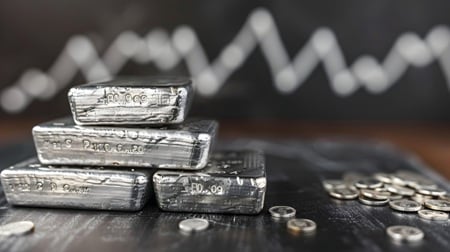
Why Invest in Silver? The Case for Silver in Malaysia
Silver isn't just "poor man's gold." It has its own unique advantages that make it worth considering for any Malaysian investor.
Affordability – Entry price is much lower than gold. You can start with as little as RM100.
Industrial demand – Silver is used in solar panels, electronics, 5G infrastructure, and electric vehicles. This creates real, ongoing demand beyond just investment.
Inflation hedge – When the ringgit loses purchasing power, silver tends to hold its value.
Portfolio diversification – Silver often moves differently from stocks and bonds, which helps smooth out overall returns.
Growth potential – Silver is more volatile than gold, which means higher upside during bull markets.
For Malaysian investors, silver also offers familiarity. Many grew up seeing it in jewellery, traditional utensils, and family heirlooms. It doesn't feel foreign.
Physical Silver vs Paper Silver: What's the Difference?
Before buying, understand the two main ways to invest in silver.
|
Aspect |
Physical Silver |
Paper Silver |
|
What you get |
Actual bars or coins you hold |
Certificate, ETF share, or digital ownership |
|
Storage |
You handle it |
Provider stores it |
|
Counterparty risk |
None—you own it directly |
Yes—you trust the provider |
|
Best for |
Long-term holders |
Traders, smaller investors |
Physical silver means actual bars or coins that you hold. There's no counterparty risk—you own it completely. Premiums are higher because of minting and shipping costs, but for long-term investors, this is usually the better choice.
Paper silver includes ETFs, silver certificates, and digital ownership platforms. This is more convenient and has lower premiums, but you're trusting someone else to hold your silver. If they run into financial trouble, your investment is at risk.
For most beginners focused on long-term malaysia silver investment, physical silver is the safer, more straightforward option.
Where to Buy Silver in Malaysia
You have several options when buying physical silver. Each has trade-offs.
|
Seller Type |
Best For |
Trade-Offs |
|
Bullion Dealers |
Most investors |
Wide selection, competitive pricing, expertise |
|
Banks |
Conservative buyers |
Trusted but limited selection, higher premiums |
|
Online Platforms |
Tech-savvy investors |
Convenient but verify reputation first |
|
Jewellery Shops |
Small casual purchases |
Accessible but premiums often higher |
Tips for choosing a seller:
- Look for BNM-regulated dealers—they follow compliance standards
- Read reviews in Malaysian investing forums
- Ask about buy-back policies before you purchase
- Compare premiums across at least two or three sellers
Understanding Silver Pricing in Malaysia
The price you pay isn't just the global spot price. Several components go into it.
The international spot price is the global benchmark, quoted in US dollars per ounce. This changes constantly during market hours.
The ringgit exchange rate matters because global silver is priced in dollars. A weak ringgit makes silver more expensive locally, even if the world price hasn't moved.
The dealer premium covers the seller's costs—minting, shipping, storage, and profit. Premiums vary based on bar size, product type, and market demand.
A simple way to think about it: the final price you pay is the spot price converted to ringgit, plus a premium. For silver bars in Malaysia, premiums typically range from 5% to 15% above spot, with smaller bars carrying higher premiums.
Silver Purity: What 999, 925, and 800 Mean for Investors
Not all silver is created equal. For investment, stick to .999 fine silver (99.9% pure).
|
Purity |
Grade |
Investment Suitability |
|
999 (24K) |
Pure silver |
Yes – investment grade |
|
925 (Sterling) |
Silver alloy |
No – jewellery only |
|
800 |
Low purity |
No – collectibles/antiques |
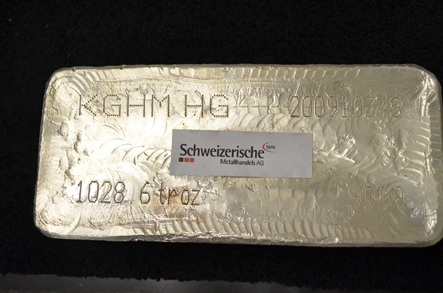
Investment-grade silver includes bars and coins stamped with "999" or "999.9". These come with assay cards or certificates from reputable refiners.
Sterling silver (925) contains other metals and is meant for jewellery, not investment. The same goes for antique or collectible silver—higher premiums and harder to sell at fair value.
Always check for hallmarks before buying. The purity stamp, weight, and serial number (for larger bars) should be clearly visible. Reputable dealers provide this information without hesitation.
Storage Options for Silver Investors
Physical silver needs a home. How you store it matters.
|
Storage Method |
Pros |
Cons |
Best For |
|
Home safe |
Immediate access, no fees |
Theft risk, need insurance |
Small holdings |
|
Bank safe deposit |
Secure, insured |
Annual fee, banking hours only |
Medium holdings |
|
Dealer storage |
Professional security |
Ongoing fees, third-party risk |
Large holdings |
For most beginners starting with smaller amounts, a home safe is practical and cost-effective. As your holdings grow, you can explore other options. Many forex traders who decide to buy silver bullion Malaysia find that professional storage solutions offer peace of mind while they focus on their trading activities.
Home storage tips:
- Use a good-quality safe bolted to floor or wall
- Keep silver out of sight
- Don't tell others about your holdings
- Consider insurance for larger amounts
Silver Investment Strategies for Malaysian Investors
How you buy matters as much as what you buy.
Dollar-cost averaging (DCA) means buying a fixed amount regularly—say, RM200 every month. This removes emotion from the process and smooths out price swings. When prices are low, you buy more grams. When prices are high, you buy fewer. Over time, your average cost evens out.
Lump sum investing works well if you have cash ready and spot a significant price dip. But trying to time the market perfectly is nearly impossible. Most investors do better with consistent buying over time.
Long-term holding is the simplest approach. Buy physical silver, store it safely, and ignore short-term price movements. Silver has preserved wealth for centuries. It doesn't need to be traded to do its job.
Trading silver for short-term profits requires more skill, attention, and experience. Not recommended for beginners.
For most Malaysians, a combination of dollar-cost averaging and long-term holding is the most effective approach to Malaysia silver investment.
Common Silver Investment Mistakes to Avoid in Malaysia
|
Mistake |
Why It Hurts |
|
Buying collectibles |
High premiums, hard to sell at fair value |
|
Ignoring storage costs |
A safe or bank box costs money—plan for it |
|
Chasing the lowest price |
Too-good-to-be-true premiums often mean counterfeit risk |
|
Selling in panic during dips |
Silver's long-term trend is up; patience pays |
|
No buy-back plan |
Ask about selling before you buy |
|
Overweighting silver |
Silver should be part of a portfolio, not all of it |
How to Start Silver Investment in Malaysia: 5 Simple Steps
Step 1: Decide your goal – Are you saving for retirement, building an emergency hedge, or diversifying an existing portfolio? Your goal shapes your approach.
Step 2: Choose your form – Bars or coins? 100g bars offer good value. 1oz coins are easier to sell small amounts. Many investors start with a mix.
Step 3: Research sellers – Identify two or three reputable dealers. Compare their premiums and ask about buy-back policies before committing. Look for BNM-regulated dealers when possible.
Step 4: Start small – Buy your first 10g or 100g bar. Experience the process—payment, verification, storage—before investing larger amounts.
Step 5: Arrange storage – Decide where your silver will live. Set it up before your first purchase arrives.
Final Thought
Malaysia silver investment doesn't have to be complicated. Start small. Buy physical. Store safely. Hold long-term.
Silver won't make you rich overnight. But as part of a balanced portfolio, it offers something rare: a tangible asset that has held value for thousands of years and will likely do so for thousands more.
The best time to start was years ago. The second best time is today.
FAQs
Q: Is silver better than gold for investment?
A: They serve different purposes. Gold provides stability; silver offers growth potential with higher volatility. Many investors use both.
Q: How do I verify my silver is real?
A: Buy from reputable dealers. Check hallmarks, weigh the bar, and keep assay cards. For large purchases, consider professional testing.
Q: Do I need to pay tax on silver in Malaysia?
A: Investment-grade silver (999 purity) is typically exempt from SST, but always confirm with your dealer before purchasing as policies may vary.
Q: Can I sell my silver back to the same dealer?
A: Most reputable dealers offer buy-back programs. Ask about their policy and typical spread before you purchase.
Q: Is silver a good long-term investment?
A: Historically, yes. Silver has preserved wealth through inflation, currency changes, and economic crises for centuries.
[Disclaimer] The articles above are purely personal opinions and are not intended to be investment advice. Only for the purpose of mutual learning and sharing. There is no express or implied warranty regarding the accuracy or completeness of the above-mentioned information. Anyone who relies on the information, ideas, or data contained in this article does so entirely at their own risk.