
Malaysian Forex Trading for Part-Time Traders: Time Management
Categories: Forex Trading
Tags: malaysian forex trading
Publish date: 2026-5-29
Malaysian Forex Trading: How to Trade Part-Time Without Burning Out
Most Malaysian forex traders don't trade full-time. They have jobs, businesses, families, and social obligations. Trading happens in the margins—before work, during lunch, after dinner, or late at night when the house is quiet.
This reality comes with challenges. Missed opportunities. Fatigue. The pressure to catch up. But it also comes with advantages if you approach it right.
If you're new to Malaysian forex trading, understanding the fundamentals is essential before building a part-time routine. This guide builds on those basics and focuses specifically on how to trade consistently without sacrificing sleep, sanity, or family time.
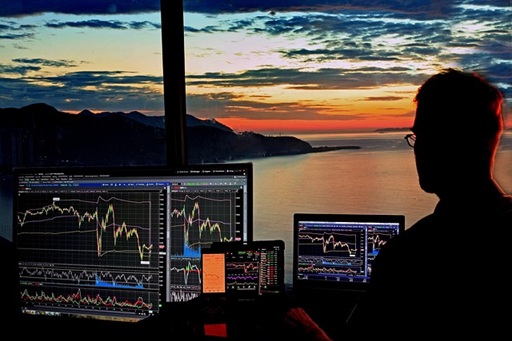
Find the Best Time for Malaysian Forex Trading
Forex runs 24 hours a day, but you don't need to. The key is matching your available hours to the most active sessions.
|
Session |
Malaysian Time |
What to Expect |
|
London Open |
4:00 PM – 1:00 AM MYT |
High liquidity, strong moves on GBP/EUR pairs |
|
NY Open |
9:00 PM – 6:00 AM MYT |
Volatile, news-driven moves, USD pairs active |
|
Asian Session |
7:00 AM – 4:00 PM MYT |
Slower, range-bound, JPY/AUD pairs dominant |
For most Malaysians, the London open (4 PM) is ideal—it hits right after work hours and before evening commitments. The NY open (9 PM) works for night owls after family time. The Asian session suits early risers who prefer quieter, more predictable moves.
Pick one session. Master it. Don't try to trade them all.
Build a 1-Hour Routine for Part-Time Forex Traders
You don't need to stare at charts for hours. A structured 60-minute daily routine is enough.
Before Work (15 minutes)
- Check major pairs on higher timeframes (4H, daily)
- Note key support/resistance levels
- Set alerts for your trading session
During Lunch (10 minutes)
- Quick check if London session is active (4 PM onwards)
- Adjust alerts if needed
- No trading—just observing
Your Trading Session (45-60 minutes)
- Focus on your chosen session (4 PM or 9 PM)
- Execute your plan using Metatrader 4 Malaysia or your preferred platform
- Log trades immediately (don't rely on memory)
After Session (10 minutes)
- Quick review: what worked, what didn't
- Close charts. Walk away.
This routine keeps you engaged without burning out.
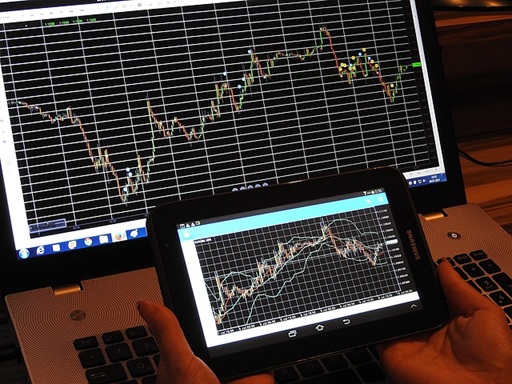
Use Alerts to Trade Smarter in Malaysian Forex Trading
The biggest mistake part-time traders make is trying to watch every tick. You can't. And you don't need to.
Modern platforms let you set alerts for:
- Price reaching key levels
- Indicator signals (RSI overbought/oversold)
- Moving average crosses
- News events
When an alert triggers, you check. Otherwise, you live your life.
This is especially important for Malaysian traders juggling work and family. Alerts turn trading from a constant vigil into an occasional check-in.
Weekend Analysis – Trade Forex Malaysia Smarter
Part-time traders have one advantage full-time traders don't: weekends are usually free.
Use Saturday or Sunday morning to:
- Review the previous week's trades
- Update support/resistance levels on higher timeframes
- Note key economic events for the coming week
- Plan your sessions
A 30-minute weekend review replaces hours of weekday guesswork. You enter Monday with a clear plan, not a blank chart.
Avoiding the "Always On" Trap in Your Trading
When you trade part-time, it's tempting to feel like you're missing something. Prices move while you're at work. Opportunities pass while you're with family.
This feeling leads to bad habits:
- Checking charts during meetings
- Sneaking trades on your phone during dinner
- Staying up too late for the NY close (which ends at 6 AM!)
None of these help your trading. They just exhaust you.
Set boundaries. Your trading session is your trading session. Outside those hours, the market exists without you. And that's fine.
Tools That Save Time for Malaysian Traders
|
Tool |
Why It Helps |
|
Mobile trading apps |
Quick checks, alerts, small adjustments |
|
Economic calendar apps |
Know what's coming without searching |
|
TradingView alerts |
Price notifications direct to your phone |
|
One-hour chart focus |
Less noise than lower timeframes |
|
Trade journal apps |
Log trades in seconds, not minutes |
Invest time in setting these up once. They'll save you hours every week.
A Sample Week for a Malaysian Forex Part-Time Trader
Monday
- 10-min pre-work check (daily chart)
- 4:00-4:45 PM: London session trading
- 10-min post-session log
Tuesday–Thursday
- Same routine
- Adjust based on alerts
Friday
- Same routine
- Close positions before weekend if needed
Saturday
- 30-min weekly review
- Plan for next week
Sunday
- Rest.
Final Thought
You don't need to quit your job to trade well. You don't need to sacrifice sleep or family time. You just need a system that fits your life.
Malaysian forex trading doesn't have to mean staring at screens until midnight. It can mean showing up at the right times—4 PM for London, 9 PM for New York—with a clear plan, and trusting your preparation.
Trade your session. Log your trades. Review your week. Then live your life.
That's the sustainable way.
FAQs
Q: What's the best time of day for Malaysian part-time traders?
A: The London opens at 4:00 PM MYT is ideal for most—it's right after work hours. Night owls may prefer the NY open at 9:00 PM MYT.
Q: How many hours a day should I trade?
A: 45-60 minutes in your chosen session is plenty. More time doesn't mean better results—it often means overtrading.
Q: Can I trade successfully on my phone?
A: Yes, for execution and alerts. But use a computer for analysis and planning. Small screens miss context.
Q: How do I avoid burnout as a part-time trader?
A: Set strict trading hours. Don't check charts outside your session. Use alerts. Take weekends off completely.
Q: What if I miss a good trade while at work?
A: There will always be another. The market doesn't run out of opportunities. Forcing trades to "catch up" is how accounts get blown.
[Disclaimer] The articles above are purely personal opinions and are not intended to be investment advice. Only for the purpose of mutual learning and sharing. There is no express or implied warranty regarding the accuracy or completeness of the above-mentioned information. Anyone who relies on the information, ideas, or data contained in this article does so entirely at their own risk.