
Investing in Renewable Energy: Trends, Opportunities, and Insights
Categories: CFD Trading
Tags: Renewable Energy
Publish date: 2024-9-24
As the world grapples with the pressing need to combat climate change and reduce greenhouse gas emissions, renewable energy has emerged as a beacon of hope. Investors are increasingly turning their attention to this burgeoning sector, recognizing the potential for substantial financial returns coupled with positive environmental impact. This article delves into the critical factors driving the demand for renewable energy investments, offering insights into market trends, major sources of renewable energy, and strategic opportunities for investors looking to capitalise on this global shift.
Table of Contents
Understanding Renewable Energy
Key Differences Between Renewable and Non-Renewable Energy
Global Trends and Market Dynamics in Renewable Energy
Major Renewable Energy Sources
Solar Energy
Wind Energy
Hydropower
Biomass Energy
Geothermal Energy
Investment Opportunities in Renewable Energy
Incentives and Government Policies for Renewable Energy Investments
Challenges and Risks in Renewable Energy Investments
Future Outlook and Strategic Considerations
Final thoughts
FAQs
Understanding Renewable Energy
Renewable energy is derived from natural processes that are replenished constantly, including sunlight, wind, rain, tides, waves, and geothermal heat. Unlike non-renewable sources like coal, oil, and natural gas, which are finite and environmentally damaging, renewable energy offers a sustainable alternative that helps mitigate climate change and reduces reliance on fossil fuels.
Key Differences Between Renewable and Non-Renewable Energy
|
Aspect |
Renewable Energy |
Non-Renewable Energy |
|
Renewability |
Constantly replenished and sustainable |
Finite and depletes over time |
|
Environmental Impact |
Low greenhouse gas emissions; minimal impact |
High pollution and significant contribution to global warming |
|
Economic Stability |
Reduces dependency on imported fuels; creates new jobs |
Prone to market volatility and geopolitical tensions |
Global Trends and Market Dynamics in Renewable Energy
The renewable energy sector is witnessing transformative growth driven by technological advancements, supportive policies, and increasing environmental awareness. Here’s an overview of current trends and investment opportunities:
Rising Energy Demand: Global energy demand is projected to increase by nearly 50% by 2050 due to population growth and economic development. Renewable energy is expected to play a crucial role in meeting this demand sustainably.
Climate Change and Policy Support: Governments worldwide are enhancing efforts to combat climate change. Initiatives like the Paris Agreement’s goal for net-zero carbon emissions by 2050 and the European Union's Green Deal aim to accelerate renewable energy investments. The U.S. Inflation Reduction Act of 2022 is also providing significant tax credits for renewable projects.
Technological Advancements: Innovations are driving down costs and improving the viability of renewable energy. For instance, solar photovoltaic (PV) electricity costs have dropped by 89% over the past decade. Advancements in wind turbine efficiency and energy storage solutions further bolster the competitiveness of renewables against traditional fossil fuels.
Investment Trends by Region:
- China: The largest investor in renewable energy, with $546 billion allocated in 2022, primarily for solar and wind projects.
- United States: Significant growth driven by federal incentives and state policies, such as the Inflation Reduction Act.
- European Union: Aiming for 40% of energy from renewables by 2030, with leading contributions from countries like Germany and Spain.
Market Dynamics:
- Private Sector Commitment: Major corporations are pledging to use 100% renewable energy, driving substantial investments.
- Financial Innovations: Green bonds and renewable energy investment trusts (REITs) are facilitating investor access to renewable projects. Global green bond issuance hit $290 billion in 2020.
- Emerging Markets: Developing countries such as Brazil, South Africa, and Vietnam are rapidly expanding their renewable energy capacity to meet growing energy needs.
Major Renewable Energy Sources
Renewable energy encompasses a variety of sources, each with unique advantages and applications. Understanding these sources is crucial for investors looking to diversify their portfolios and capitalise on the growth of the renewable energy sector.
Solar Energy
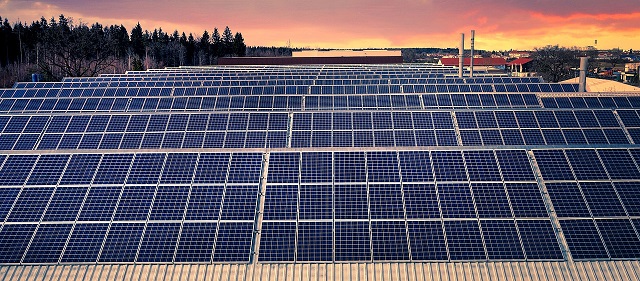
Overview: Solar energy harnesses sunlight through photovoltaic (PV) panels and solar thermal systems. It is among the fastest-growing renewable sources.
Market Dynamics: The cost of solar PV has decreased significantly, making it increasingly competitive with traditional energy sources. Innovations in solar technology, such as bifacial panels and perovskite cells, are further enhancing efficiency and reducing costs.
Investment Opportunities: Solar energy offers diverse investment opportunities, including utility-scale solar farms, rooftop solar installations, and solar manufacturing companies. For example, NextEra Energy has become a leader in solar energy investments, with significant growth in its solar portfolio.
Wind Energy
Overview: Wind energy generates electricity by harnessing the kinetic energy of wind through turbines. It is a mature and rapidly expanding sector within renewable energy.
Market Dynamics: Onshore and offshore wind installations are growing globally, with offshore wind showing particularly high potential due to stronger and more consistent winds. Technological advancements, such as larger turbines and floating wind platforms, are driving this growth.
Investment Opportunities: Investors can explore opportunities in wind farm development, turbine manufacturing, and related infrastructure. Key companies in this space are Ørsted and Vestas Wind Systems.
Hydropower
Overview: Hydropower generates electricity from flowing water and is the most established renewable energy source.
Market Dynamics: While large-scale projects dominate, small and micro-hydro systems are gaining traction. Hydropower provides reliable and consistent energy.
Investment Opportunities: Investors can consider large dams, small hydro installations, and ancillary technologies like pumped storage. Companies such as Brookfield Renewable Partners are key players in the hydropower sector.
Biomass Energy
Overview: Biomass energy is derived from organic materials, such as agricultural residues, wood, and animal waste. It can be used for electricity generation, heating, and as a biofuel.
Market Dynamics: Biomass energy is gaining importance due to its ability to utilize waste products and reduce carbon emissions. Advances in biomass conversion technologies are improving efficiency and sustainability.
Investment Opportunities: Potential investments include biomass power plants, biofuel production, and waste-to-energy projects. Prominent companies include Enviva and Renewable Energy Group.
Geothermal Energy
Overview: Geothermal energy exploits the heat from the Earth’s core to generate electricity and provide direct heating.
Market Dynamics: Geothermal energy is reliable and offers baseload power, making it a valuable complement to intermittent renewable sources. Enhanced geothermal systems (EGS) are expanding the potential of geothermal energy.
Investment Opportunities: Opportunities in geothermal energy include power plant development, drilling services, and technology advancements. Ormat Technologies is a notable leader in this field.
Investment Opportunities in Renewable Energy
Investors have various avenues to capitalize on the renewable energy boom. Apart from direct investments in renewable projects, they can also explore opportunities in forex and stock markets related to renewable energy companies. Trading platforms like FXCM offer a wide range of instruments, including commodities and indices, that allow investors to diversify their portfolios and gain exposure to the renewable energy sector.
The renewable energy sector presents a diverse array of investment opportunities, catering to various risk appetites and investment strategies. As global demand for clean energy accelerates, investors have multiple avenues to consider, each offering unique potential returns and growth prospects.
Solar Energy Investments
- Utility-Scale Solar Projects: Large-scale solar farms, such as those developed by NextEra Energy, offer stable returns through long-term power purchase agreements (PPAs) with utilities and governments.
- Rooftop Solar and Community Solar: Companies like Sunrun and SolarCity provide investment opportunities in distributed solar energy, catering to residential and commercial installations. These projects benefit from falling solar panel costs and increasing consumer adoption.
- Solar Technology and Manufacturing: Investing in companies like First Solar and SunPower, which produce advanced solar panels and related technologies, allows investors to capitalize on the growing demand for efficient solar solutions.
Wind Energy Investments
- Onshore Wind Farms: Onshore wind projects, such as those by Ørsted, are widespread and offer attractive returns due to lower development costs and established technology.
- Offshore Wind Projects: Offshore wind is gaining momentum, particularly in Europe and Asia. Companies like Vestas Wind Systems and Siemens Gamesa are leading players in this space, providing opportunities for high returns driven by strong, consistent wind patterns.
- Wind Turbine Manufacturing: Investing in turbine manufacturers and component suppliers offers exposure to the expanding wind energy market. For example, General Electric's renewable energy division is a significant player in turbine production.
Hydropower Investments
- Large-Scale Hydropower Projects: Investments in large hydropower dams and infrastructure, such as those by Brookfield Renewable Partners, provide stable, long-term returns due to their established technology and consistent energy production.
- Small and Micro-Hydro Projects: These projects are gaining traction in regions with abundant water resources. Companies focusing on innovative small-scale hydro technologies offer new investment avenues with growth potential.
Biomass and Bioenergy Investments
- Biomass Power Plants: Firms like Enviva provide opportunities in biomass energy production, which leverages organic materials for renewable power.
- Biofuel Production: Companies such as Renewable Energy Group are at the forefront of biofuel production, catering to the growing market for renewable transportation fuels.
Geothermal Energy Investments
- Geothermal Power Plants: Investments in geothermal projects, including those by Ormat Technologies, offer stable returns from a reliable baseload power source.
- Enhanced Geothermal Systems (EGS): Advanced EGS technologies are expanding geothermal potential, providing high-growth investment opportunities.
Key Considerations for Investors
- Portfolio Diversification: Spread investments across various renewable energy sources and types (stocks, ETFs, direct projects) to mitigate risk and enhance returns.
- Market Trends: Monitor technological advancements and cost reductions in renewable technologies to identify promising investment opportunities.
- Leading Companies: Consider investing in leading firms and funds within each renewable sector for robust growth potential.
Incentives and Government Policies for Renewable Energy Investments
Government incentives and policies are pivotal in accelerating the adoption of renewable energy by reducing financial risks and making investments more attractive. Here’s a detailed overview of the key incentives and policies shaping the renewable energy landscape:
Financial Incentives
- Investment Tax Credit (ITC): In the U.S., this credit allows investors to deduct 26% of the cost of installing solar energy systems from federal taxes, significantly lowering investment costs.
- Horizon 2020: The European Union’s Horizon 2020 program provides substantial funding for renewable energy R&D, supporting innovative projects and technologies.
- Feed-in Tariffs (FiTs): These tariffs guarantee fixed payments for renewable energy producers per unit of energy generated, providing stable revenue streams. Germany's Renewable Energy Sources Act (EEG) exemplifies successful implementation.
- S. Department of Energy’s Loan Programs Office: Supports large-scale renewable energy projects with low-interest loans and loan guarantees, reducing financial risks.
Regulatory Policies
- Renewable Portfolio Standards (RPS): S. states like California require a specific percentage of electricity to come from renewable sources by set deadlines, driving investment in renewable energy projects.
- European Union’s Renewable Energy Directive: Mandates member states to meet national renewable energy targets, promoting investments across the EU.
- Net Metering: Policies in the U.S. and other countries allow consumers to sell excess energy generated from renewable sources back to the grid, enhancing the financial viability of small-scale renewable investments.

Challenges and Risks in Renewable Energy Investments
While investing in renewable resources offers significant opportunities, it also presents unique challenges and risks that investors must consider to make informed decisions.
While the renewable energy sector presents lucrative opportunities, it also comes with its share of challenges and risks. To navigate these effectively, investors can use technical analysis and fundamental analysis to assess market trends and make informed decisions. Additionally, implementing stop loss strategies can help mitigate potential losses.
Technological and Operational Risks
- Technology Advancements: Rapid technological advancements can render existing technologies obsolete. Investors must stay informed about emerging trends and innovations.
- Project Delays and Cost Overruns: Renewable energy projects, especially large-scale ones, can face delays and budget overruns due to regulatory hurdles, supply chain disruptions, and technical issues.
Market and Financial Risks
- Market Volatility: Renewable energy markets can be volatile, influenced by policy changes, competition, and fluctuating demand. Diversification and long-term investment strategies can help mitigate these risks.
- Capital Intensity: Renewable energy projects often require significant upfront capital. Access to financing and government support can be critical for project success.
Regulatory and Policy Risks
- Policy Changes: Shifts in government policies and regulations can impact the financial viability of renewable energy projects. Investors should monitor policy developments and adjust strategies accordingly.
- Permitting and Licensing: Obtaining permits and licenses for renewable energy projects can be complex and time-consuming, posing potential delays and cost increases.

Future Outlook and Strategic Considerations
The future of renewable energy investments looks promising, driven by a combination of technological advancements, supportive policies, and growing environmental awareness. Investors who strategically position themselves in this sector can benefit from significant growth opportunities.
Technological Innovations and Advancements
- Energy Storage Solutions: Advancements in battery technology and other energy storage solutions are crucial for addressing the intermittency of renewable energy sources like solar and wind. Improved storage capabilities will enhance the reliability and integration of renewables into the grid.
- Data Insight: Global investments in energy storage are expected to reach $620 billion by 2040, highlighting the critical role of storage in the future energy landscape
Emerging Markets and Opportunities
- Developing Countries: Emerging markets present significant growth opportunities for renewable energy investments. Countries in Africa, Asia, and Latin America are increasingly investing in renewables to meet growing energy demands and reduce dependency on fossil fuels.
- Case Study: India's ambitious renewable energy targets, including 175 GW of renewable capacity by 2022, have attracted substantial international investment
Integration with Digital Technologies
- Smart Grids and IoT: The integration of digital technologies, such as smart grids and the Internet of Things (IoT), with renewable energy systems can enhance efficiency, monitoring, and management. These technologies enable better demand response and grid stability.
- Data Insight: The global smart grid market is projected to grow at a CAGR of 19.1% from 2020 to 2027, driven by the integration of renewable energy sources.
Long-Term Sustainability and Impact
- Sustainable Development Goals (SDGs): Investing in renewable energy aligns with the United Nations Sustainable Development Goals, particularly Goal 7 (Affordable and Clean Energy) and Goal 13 (Climate Action). This alignment not only supports global sustainability efforts but also enhances the social and environmental impact of investments.
- Data Insight: Achieving the SDGs could unlock $12 trillion in market opportunities, with renewable energy playing a key role in this transformation.
Strategic Considerations for Investors
- Diversification: Investors should diversify their renewable energy portfolios across different technologies and regions to mitigate risks and capture a broader range of opportunities.
- Long-Term Perspective: Renewable energy investments often require a long-term perspective due to the capital-intensive nature of projects and the evolving policy landscape.
- Stakeholder Engagement: Engaging with stakeholders, including communities, governments, and industry partners, is crucial for the successful implementation and acceptance of renewable energy projects.
Final thoughts
The renewable energy sector is undergoing a transformative shift, offering substantial opportunities for investors to achieve financial growth while contributing to environmental sustainability. By understanding the diverse renewable energy sources, market dynamics, and associated risks, investors can make informed decisions that align with both their financial objectives and broader sustainability goals. Embracing a strategic approach, staying informed about technological and policy developments, and engaging with key stakeholders will be critical for navigating the complexities of the renewable energy landscape and capitalizing on its future potential.
FAQs
Q: What are the key financial metrics to consider when evaluating renewable energy investments?
A: Investors should consider metrics such as internal rate of return (IRR), net present value (NPV), payback period, and levelized cost of energy (LCOE) to assess the profitability and efficiency of renewable energy projects.
Q: How does investing in renewable energy impact portfolio diversification?
A: Renewable energy investments can enhance portfolio diversification by reducing exposure to fossil fuel volatility and aligning with ESG (Environmental, Social, and Governance) criteria, which are increasingly important for many investors.
Q: How does the renewable energy sector benefit from economies of scale?
A: As the scale of renewable energy projects increases, the cost per unit of energy typically decreases due to efficiencies in production, installation, and maintenance, making large-scale projects more financially attractive.
Q: What are the benefits of investing in renewable energy ETFs?
A: Renewable energy ETFs offer a diversified portfolio of stocks in the renewable energy sector, reducing individual stock risk, providing liquidity, and making it easier for investors to gain exposure to a broad range of companies.
Q: How can investors assess the credibility of renewable energy companies?
A: Investors should evaluate the track record, financial health, management team, project pipeline, and adherence to regulatory and environmental standards of renewable energy companies to assess their credibility and potential for success.
Q: Is there a demo account available to practice trading renewable energy instruments?
A: Yes, FXCM trading platform offers a demo account that allows you to practice trading renewable energy instruments without risking real money.
[Disclaimer] The articles above are purely personal opinions and are not intended to be investment advice. Only for the purpose of mutual learning and sharing. There is no express or implied warranty regarding the accuracy or completeness of the above-mentioned information. Anyone who relies on the information, ideas, or data contained in this article does so entirely at their own risk.