
Investing in Space Technology: Your Guide to the New Space Economy
Categories: CFD Trading
Tags: space technology
Publish date: 2025-8-28
For decades, space exploration was the domain of government agencies like NASA and the European Space Agency (ESA). But in recent years, a new wave of private companies has transformed space from a scientific ambition into a commercial goldmine. The result? A booming “space economy” that’s no longer reserved for rocket scientists—it's now attracting smart investors worldwide, including those focused on portfolio diversification across asset classes like stocks, crypto, and commodities.
In 2024, the global space economy reached $613 billion, up 7.8% from the previous year. Analysts expect it to exceed $1 trillion by the early 2030s, with some forecasts projecting around $1.8 trillion by 2035. This exponential growth is fueled by declining launch costs, advancements in satellite technology, and the rising demand for global connectivity.
Whether it's broadband internet from space, satellite-based Earth analytics, or the prospect of asteroid mining, space is no longer just about exploration—it's about innovation, infrastructure, and investment. For forward-thinking investors, this marks a rare opportunity to enter an emerging market before it becomes saturated.
Table of Contents
Understanding the Space Economy and Space Exploration Technologies
Core Segments of the Space Economy
Government vs. Private Sector
Emerging Trends in Space Tech and Exploration That Could Fuel Investment
Satellite Constellations and Global Internet Coverage
Space Tourism
Earth Observation and Climate Monitoring
In-Orbit Servicing and Space Debris Management
Moon Missions and Deep Space Exploration
Asteroid Mining and Space Resource Extraction
How to Invest in Space Technology and the Space Economy: Stocks, ETFs, and Strategies
Invest in Publicly Traded Space Companies
Diversify with Space ETFs
Explore Indirect Exposure Through Tech Giants
For Advanced Investors: Venture Capital or SPACs
Use a Demo Platform Like FXCM to Test Strategies
Key Risks and Challenges in Space Investing
Space Investment Outlook: What the Next 10 Years May Bring
Final thoughts
FAQs
Understanding the Space Economy and Space Exploration Technologies
The space economy encompasses all commercial activities related to outer space. While launch vehicles and astronauts often steal headlines, most of the value lies in the systems and services that operate in Earth’s orbit and beyond.

Core Segments of the Space Economy
Launch Services – Companies that develop rockets and spacecraft to send satellites, cargo, or humans into orbit.
Satellite Communications – Includes satellite TV, navigation systems, and high-speed internet (like Starlink).
Earth Observation & Remote Sensing – Satellites that monitor weather, climate change, agriculture, and disaster response.
Space Infrastructure – This includes manufacturing satellites, building launch pads, and creating in-orbit platforms.
Space Tourism & Exploration – Companies like Blue Origin and Virgin Galactic offering suborbital or future orbital trips.
Government vs. Private Sector
While national space agencies still play a foundational role in exploration and regulation, private enterprises now account for over 77% of global space spending, according to Space Foundation reports. Startups and aerospace giants alike are driving innovation, backed by venture capital, government contracts, and growing investor interest.
Fun fact: The average cost to launch a satellite has dropped from $200 million to under $60 million thanks to reusable rocket technologies—a major breakthrough for commercial viability.
Investor insight: The space economy is no longer a niche market. It’s a diversified, multi-sector industry that touches everything from telecommunications to ESG-friendly climate monitoring.
Emerging Trends in Space Tech and Exploration That Could Fuel Investment
As the space economy evolves, new technologies and business models are opening up fresh investment opportunities. These emerging trends are not only reshaping the space sector—they’re creating ripple effects across telecommunications, defense, climate tech, and even tourism.
Satellite Constellations and Global Internet Coverage
Companies like SpaceX (Starlink) and OneWeb are deploying Low Earth Orbit (LEO) satellite constellations to provide high-speed internet to underserved regions. Starlink alone has launched over 6,000 satellites and is generating growing revenues from both civilian and government clients.
Investment Insight: The satellite broadband market is expected to surpass $30 billion by 2030, and satellite manufacturers, launch providers, and component suppliers all stand to benefit.
Space Tourism
While still in its infancy, space tourism is gaining traction with high-net-worth individuals. Companies like Virgin Galactic and Blue Origin have already launched suborbital flights with paying customers. Over time, reusable spacecraft and lower costs could expand access to more mainstream travelers.
Investment Insight: Though currently speculative, early investment in space tourism stocks could offer exponential long-term returns if the sector matures.
Earth Observation and Climate Monitoring
Satellites equipped with advanced sensors now monitor deforestation, carbon emissions, agriculture, and disaster zones in real time. Firms like Planet Labs and Maxar Technologies offer actionable data for governments, insurers, and ESG-conscious investors.
In-Orbit Servicing and Space Debris Management
As the number of objects in orbit increases, companies are developing solutions to refuel, repair, and even remove defunct satellites. This niche market is expected to grow rapidly, driven by demand for orbital longevity and sustainability.
Notable Mention: Astroscale and Northrop Grumman are pioneers in orbital servicing technologies.
Moon Missions and Deep Space Exploration
NASA’s Artemis program, along with private players like SpaceX and Blue Origin, aims to establish a human presence on the Moon by the end of the decade. These missions require vast infrastructure: rockets, communication systems, lunar habitats, and transport modules.
Investment Insight: Even without direct exposure to lunar missions, investors can benefit by backing the companies supplying components, sensors, and spacecraft to these efforts.
Asteroid Mining and Space Resource Extraction
While still years away, the concept of extracting water, minerals, and rare earth metals from asteroids is gaining scientific and investor interest. The potential economic value of even a single metal-rich asteroid could be in the trillions of dollars.
Investor Note: This is a highly speculative play but one with game-changing upside if technological and regulatory hurdles are overcome.
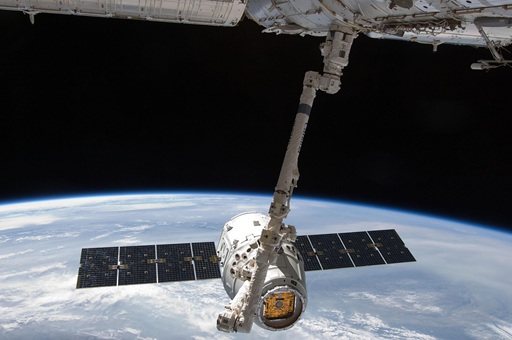
How to Invest in Space Technology and the Space Economy: Stocks, ETFs, and Strategies
Investing in space technology no longer requires billion-dollar capital or insider access. From satellite internet to suborbital tourism, the space sector offers multiple accessible pathways for retail and institutional investors. Here's a guide to the most practical ways to gain exposure—and the companies leading the charge.
Invest in Publicly Traded Space Companies
Many of the companies driving space innovation are publicly listed and available through regular brokerage platforms. These range from pure-play space firms to large aerospace contractors with major space divisions. Investors using fundamental analysis can evaluate these companies based on their financial health, growth potential, and competitive advantages in the space sector.
|
Company |
Ticker |
Focus Area |
|
Virgin Galactic |
SPCE |
Space tourism and suborbital flights |
|
Rocket Lab USA |
RKLB |
Small satellite launch services |
|
Maxar Technologies |
MAXR |
Earth imaging and satellite manufacturing |
|
Boeing |
BA |
Spacecraft, ISS contracts, satellite systems |
|
Lockheed Martin |
LMT |
Defense + space systems (Orion spacecraft, etc.) |
|
Northrop Grumman |
NOC |
Satellite launch, propulsion, defense space tech |
Note: SpaceX is a private company and not currently available to retail investors. However, its influence on launch economics, satellite internet (Starlink), and deep space exploration makes it a bellwether for the entire industry.
Diversify with Space ETFs
Space ETFs are ideal for investors who want exposure to the sector without the risk of picking individual winners. These funds invest in a mix of companies involved in satellite tech, launch systems, and adjacent industries like robotics or AI.
- ARK Space Exploration & Innovation ETF (ARKX) – Includes space and adjacent tech like AI and robotics.
- Procure Space ETF (UFO) – Offers more concentrated exposure to firms with direct revenue from space-related services.
- SPDR S&P Aerospace & Defense ETF (XAR) – Broader exposure that includes major aerospace firms with space segments.
Investor Tip: ETFs help manage volatility and provide exposure to both emerging space startups and stable defense contractors.
Explore Indirect Exposure Through Tech Giants
Some of the world’s biggest tech companies are quietly building their presence in the space sector:
- Amazon (AMZN) – Building its own satellite constellation, Project Kuiper, to rival Starlink.
- Alphabet (GOOGL) – Supplies AI for satellite imaging and Earth analytics.
- Apple (AAPL) – Partnered with Globalstar to enable satellite-based emergency services on iPhones.
Why it matters: These stocks offer diversified exposure with space as a growth engine, making them appealing to more conservative investors.
For Advanced Investors: Venture Capital or SPACs
Accredited investors can consider early-stage opportunities in private space startups through:
- Venture funds focused on aerospace and deep tech
- SPACs (Special Purpose Acquisition Companies) targeting space companies pre-IPO
Example: Rocket Lab went public via SPAC, offering early access to an emerging space leader.
Caution: These options carry higher risk and lower liquidity. Best suited for experienced investors with long horizons.
Use a Demo Platform Like FXCM to Test Strategies
Before deploying real capital, investors can use platforms like FXCM to:
- Analyze market performance of space ETFs and aerospace stocks
- Track space-related news and earnings reports
- Open a demo account to simulate trades using technical analysis tools
Ready to test your space investing strategy? Open a demo account with FXCM to explore indices, stocks, and performance tools tailored to frontier markets like space tech.
Key Risks and Challenges in Space Investing
While the space sector offers massive growth potential, it’s also fraught with risks that investors must carefully consider. Unlike traditional markets, space tech operates in an extreme environment—both literally and financially.
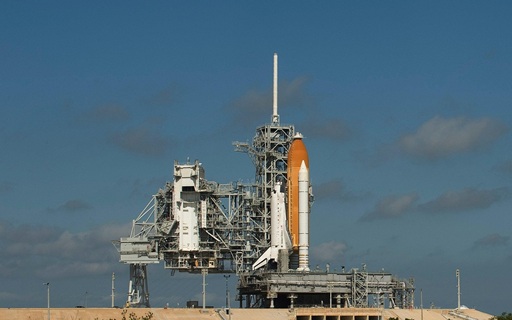
High Capital Requirements
Developing and launching spacecraft is capital-intensive, with projects often costing hundreds of millions of dollars before reaching commercial viability. Delays, cost overruns, or failed missions can wipe out investments.
Investor Tip: Look for companies with diversified revenue streams, strong government contracts, or proven flight histories to reduce exposure to financial volatility.
Regulatory and Political Uncertainty
Space is governed by a patchwork of treaties, national laws, and export restrictions. Regulatory delays from agencies like the FAA, FCC, or ITAR can stall launches or restrict business operations, particularly for companies working with sensitive technologies.
Example: In 2024, multiple satellite launches were delayed due to unresolved frequency licensing issues, resulting in share price drops for affected companies.
Technological Failures
Even with rigorous testing, rocket launches and satellite deployments remain risky. A single technical malfunction can destroy years of development and millions in capital. Insurers are selective, and not all failures are covered.
Notable Case: In 2023, a failed Rocket Lab launch resulted in a loss of a commercial payload and temporarily impacted stock performance.
Space Debris and Orbital Congestion
The increasing number of satellites in orbit raises the risk of collisions and space debris, which can damage active satellites and disrupt services. This poses long-term operational and insurance challenges for satellite operators.
Emerging Solution: New debris-tracking startups are working to reduce this risk, but it remains a growing concern for the space industry.
Illiquidity and Limited Access
Many of the most innovative space startups, including SpaceX, Blue Origin, and Relativity Space, are privately held. Retail investors have limited access unless these companies go public or are acquired.
Alternative: Investors may gain indirect exposure through ETFs, public suppliers, or defense contractors involved in space infrastructure.
Bottom Line: Space investing is not for the faint-hearted. It requires long-term vision, a high risk tolerance, and careful portfolio diversification. But for investors willing to weather the volatility, the upside potential is immense.
Space Investment Outlook: What the Next 10 Years May Bring
The next decade will be pivotal for space technology. As infrastructure matures, costs fall, and private-sector innovation accelerates, space could transform from a speculative industry to a mainstream investment category—just as electric vehicles or AI did in the 2010s. This growth will intersect with broader economic trends, including shifts in microeconomics vs macroeconomics that influence government spending and private investment in space.
- Commercial Launch Frequency Will Skyrocket
As satellite demand increases, reusable rockets will reduce costs further, leading to weekly or even daily commercial launches. This opens up recurring revenue models for companies like Rocket Lab, SpaceX (if public), and their suppliers.
Forecast: The number of commercial space launches is expected to double by 2030.
- Satellite Internet Will Become Ubiquitous
Low Earth Orbit constellations like Starlink, Amazon’s Kuiper, and OneWeb will expand affordable, high-speed internet access to remote regions. Governments, corporations, and humanitarian missions will increasingly depend on satellite connectivity.
Market potential: Global satellite broadband could exceed $30 billion in annual revenue by 2030.
- Climate and ESG Tech Will Rely on Space
Earth observation satellites will play a critical role in ESG investing, providing real-time data on carbon emissions, deforestation, sea-level changes, and more. Investors focused on climate risk and sustainable development will find strong overlaps with space-based services.
Investor Note: Space tech is a hidden enabler behind much of the climate and ESG analytics boom.
- Lunar and Mars Missions Will Open New Supply Chains
NASA’s Artemis program and SpaceX’s Starship project could lay the foundation for lunar bases and interplanetary transport, unlocking new demand for space logistics, power systems, and off-Earth construction.
Long-Term Vision: Think space stations, orbital factories, and Moon-based mining—entirely new economies beyond Earth.
- National Security Will Fuel Government Spending
As space becomes a strategic domain, countries are ramping up military spending in satellite communications, early-warning systems, and anti-satellite defense. This will benefit large-cap contractors like Lockheed Martin, Raytheon, and Northrop Grumman.
- M&A Activity and IPOs Will Accelerate
The space sector is heating up with venture-backed startups nearing maturity, leading to a wave of mergers, acquisitions, and IPOs. As investors look for exits and larger firms seek consolidation, the deal pipeline is expected to grow significantly.
A SpaceX IPO, if it ever materializes, could become one of the most anticipated and largest tech listings of the decade—potentially drawing comparisons to giants like Tesla and Alibaba. It would likely unlock retail investor access to Starlink and next-gen launch technology.
Final Outlook:
By 2035, space could be as integral to the global economy as the internet is today. Investors who enter early—and wisely—stand to benefit from a transformative shift that is only just beginning to unfold.
Final thoughts
Investing in space technology isn’t just about chasing the next moonshot—it’s about positioning your portfolio at the intersection of innovation, infrastructure, and exponential growth. As space gradually becomes a commercial ecosystem—supporting internet access, climate monitoring, global defense, and even future energy or mining solutions—its investment potential is becoming harder to ignore.
That said, space investing is not for every investor. It’s still a high-risk, long-horizon play. Many companies are in the early stages of development, and the sector’s volatility means it’s not ideal for those seeking short-term gains or guaranteed returns.
For forward-looking investors—especially those with an appetite for emerging technologies, disruptive markets, and ESG-aligned growth—space tech can offer a powerful diversification opportunity.
FAQs
Q: What is the difference between space tech and aerospace investing?
A: Aerospace refers broadly to aviation and defense (e.g. commercial airplanes, fighter jets), while space tech is a niche within it focused on satellites, rockets, and space-based infrastructure. Some aerospace firms like Boeing and Lockheed Martin operate in both areas.
Q: Are there any space companies paying dividends?
A: Most pure-play space companies are in growth phases and do not pay dividends. However, established aerospace firms like Lockheed Martin (LMT) or Northrop Grumman (NOC), which have significant space divisions, do offer consistent dividends.
Q: What role does AI play in space technology?
A: AI is crucial in satellite image analysis, autonomous navigation, orbital debris tracking, and optimizing satellite communications. Many companies in the space sector are integrating AI, making it a key value driver for investors.
Q: How ESG-friendly is investing in space?
A: Surprisingly, quite ESG-aligned. Earth observation satellites help monitor deforestation, pollution, and carbon emissions. However, rocket launches still emit carbon, and orbital debris is an emerging sustainability issue.
Q: How can I get early exposure to SpaceX or Blue Origin before they go public?
A: Direct investment is limited to private equity or venture capital funds. However, you can get indirect exposure through suppliers (e.g., Velo3D or Archer Aviation) or potential future SPACs that target space startups.
[Disclaimer] The articles above are purely personal opinions and are not intended to be investment advice. Only for the purpose of mutual learning and sharing. There is no express or implied warranty regarding the accuracy or completeness of the above-mentioned information. Anyone who relies on the information, ideas, or data contained in this article does so entirely at their own risk.