
Crypto Investing for Beginners: How to Start and Profit
Categories: Crypto Trading
Tags: crypto investing
Publish date: 2025-4-28
In the context of a sluggish global economy, financial markets—including cryptocurrencies—have experienced heightened volatility. The crypto market in particular has faced increased scrutiny, especially from U.S. regulatory agencies like the SEC, contributing to a lackluster performance compared to the bullish highs of 2021 and 2024.
Despite this "crypto winter," many new investors are entering the market at discounted price levels. This moment offers a unique opportunity—but only for those who come prepared. Without a solid understanding of market fundamentals, trading strategies, and proper risk management, beginners can quickly go from optimistic entrants to unfortunate casualties of the market.
Table of Contents
Crypto Market: What kind of market is cryptocurrency?
Preparing as a New Crypto Investor
1. Choice and Strategy
2. Persistence Over Profit Chasing
3. Lifelong Learning
Analysis of cryptocurrency investment strategies
Practice Before You Commit
Avoiding Common Pitfalls
Learning from Successful Investors
Conclusion: Building Your Own Crypto Investment Moat
FAQs

Crypto Market: What kind of market is cryptocurrency?
Cryptocurrencies differ significantly from traditional financial markets such as forex, stocks, and indices. As a relatively new asset class—barely more than a decade old—crypto is characterized by high volatility and equally high potential returns.
Early investment booms such as the 2017 ICO surge, where projects like Ethereum (ETH) and Binance Coin (BNB) skyrocketed, showcased the market’s upside. However, the risks are equally prominent—ranging from phishing scams and regulatory crackdowns to exchange outages and rug pulls. This is why a thorough understanding of fundamental analysis and risk is essential before diving in.
Preparing as a New Crypto Investor
Success in the crypto space hinges on more than just enthusiasm. Newcomers must focus on three key pillars: choice, persistence, and learning.
1. Choice and Strategy
The crypto ecosystem is vast—ranging from CFD trading and DeFi staking to NFTs and GameFi. Beginners must evaluate all available paths and select one or two approaches aligned with their goals and capacity. For example, someone interested in shorter-term movements might prefer gold trading or CFD trading using the FXCM trading platform, while long-term holders might look to accumulate solid tokens through dollar-cost averaging.
2. Persistence Over Profit Chasing
While the lure of quick profits is strong, successful investors understand that consistency beats hype. A steady, long-term approach—akin to strategies used in portfolio diversification—will almost always outperform emotional decision-making.
3. Lifelong Learning
The crypto world evolves rapidly. From ICOs to Web3 and NFTFi, constant updates require active engagement and curiosity. Keep learning, reading whitepapers, following credible influencers, and studying both technical analysis and fundamental analysis.
Generally speaking, opportunities often lie within new developments, as old concepts become outdated and less attractive for investment. Therefore, to seize new opportunities, you must understand how to learn, enabling timely discovery; otherwise, you will always be a latecomer.
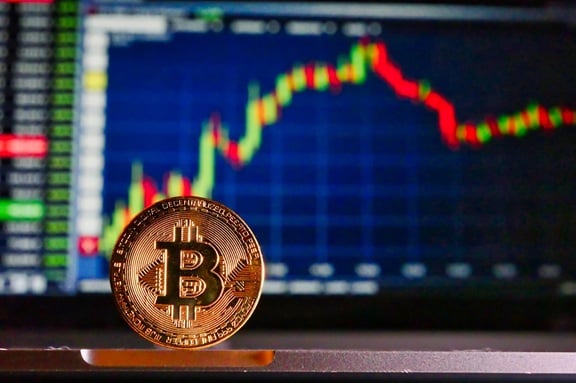
Analysis of cryptocurrency investment strategies
Regardless of the role you take in the cryptocurrency market or the approach you choose, such as chasing rewards or engaging in DeFi, it ultimately revolves around trading, as it is a simple and effective investment method suitable for anyone. However, many, especially newcomers, often fall into the trap of "buying high and selling low," with no real strategy in place—just acting on impulse.
A trader without a trading strategy is like an uncontrolled car careening down the road, causing damage in any direction, even standing still can result in being hit; thus, mastering a trading strategy is essential.
Similar to traditional finance, cryptocurrency trading strategies mainly include long-term holding, trend following, swing trading, event-driven trading, and grid trading. For more details, you could refer to this article: "The Best Cryptocurrency Trading Strategies for Beginners."
On the surface, these strategies may seem easy to understand; however, to master and internalize them into your trading system, you need to grasp some basic technical analyses, including candlestick charts, indicators, and patterns, such as moving averages (MA), MACD, Bollinger Bands, channels, V-shaped, W-shaped, and M-shaped
For newcomers, it's advisable to first familiarize yourself with the indicators before selecting one or two to use regularly. It’s important to emphasize that while these indicators may have different names and meanings, they all share a characteristic of converging towards the two forces of bearish and bullish trends. Therefore, don’t be overly concerned about which indicator is better or more precise; just choose the ones that you find easy to use.
Additionally, while learning these technical analyses, it’s crucial not to remain solely in theory; you need to analyze and practice. Initially, it may be somewhat challenging, but persistence is key, as everyone has gone through this process. Moreover, technical analysis is not something you can master in one go; it is a journey of continual improvement without an endpoint.
Practice Before You Commit
Beginners should use a demo account before investing real funds. Practicing on platforms like FXCM allows for risk-free exposure to real-time markets while honing one’s strategy and discipline.
Avoiding Common Pitfalls
Many investors fall victim to scams or poor decision-making due to greed, ignorance, or both. To avoid becoming another statistic:
- Self-awareness: Acknowledge your limitations and lack of experience, and approach investing with a sense of respect. Don’t pay a heavy price due to ignorance and overconfidence..
- Research: Study every project thoroughly. Avoid private deals and opt for trusted exchanges.
- Risk Management: Use stop-loss and take-profit tools to protect capital.
- Disciplined Leverage Use: In leveraged products like CFD trading, never exceed sustainable levels—preferably under 10x.
Sophisticated scams also abound. Exchanges may manipulate prices or restrict access during high-volatility events. Others may lure users with high-yield airdrops that eventually trap their funds. Always cross-reference with reliable information sources and forums before acting.

Learning from Successful Investors
Not all crypto success stories come from tech founders. Changpeng Zhao (CZ), CEO of Binance, famously sold his Shanghai home in 2014 to invest in Bitcoin. Similarly, early investor Li Xiaolai turned a modest Bitcoin purchase in 2010 into a billion-dollar fortune by holding firm through market cycles.
But the key to their success wasn't just timing—it was conviction and strategy. For example, one investor minimized emotional selling by physically storing assets offline while trading a small percentage of capital actively. This method, along with portfolio diversification, can significantly reduce stress and improve decision-making clarity.
Conclusion: Building Your Own Crypto Investment Moat
The cryptocurrency market is full of opportunity—but also fraught with danger. To thrive, new investors must build their own "moat" of resilience, knowledge, and discipline.
Mastering technical analysis, maintaining strong risk management principles, and adopting a balanced strategy will help you carve out long-term success. Platforms like the FXCM trading platform offer reliable access to crypto markets alongside other financial instruments like forex, stocks, and indices—making them ideal for traders looking to diversify.
Whether you’re trading live or just starting with a demo account, the most important thing is to take action thoughtfully and deliberately. Remember: in this high-stakes game, it’s not about getting rich overnight—it’s about staying in the game long enough to win.
FAQs
Q: What is the safest way for beginners to start investing in cryptocurrencies?
A: The safest way is to begin with a demo account on a reputable trading platform like FXCM, which allows you to practice trading in real market conditions without risking real money. This gives beginners time to learn market mechanics, test strategies, and build confidence before committing actual funds.
Q: Why is portfolio diversification important in crypto investing?
A: Portfolio diversification helps reduce risk by spreading investments across different assets such as Bitcoin, Ethereum, altcoins, and even across other markets like forex, stocks, or indices. This way, poor performance in one area is balanced out by gains in another, protecting your overall capital..
Q: How can technical and fundamental analysis help in crypto trading?
A: Technical analysis involves studying price charts, indicators, and market patterns to forecast price movements, while fundamental analysis assesses the underlying value of a project by examining team credibility, technology, and real-world use cases. Using both approaches helps traders make more informed decisions.
Q: What are the common risks in cryptocurrency trading and how can I manage them?
A: Common risks include scams, price manipulation, exchange outages, and high volatility. You can manage these through proper risk management techniques—such as setting stop-loss orders, using low leverage in CFD trading, and avoiding unverified projects or private transactions.
Q: How do successful investors stay profitable in the volatile crypto market?
A: Successful investors often rely on a combination of long-term conviction, disciplined strategy, and emotional control. They implement smart risk management, use strategies like portfolio diversification, and avoid reacting impulsively to price swings. Many also stick to a regular investment schedule and use platforms like FXCM trading platform for a secure and professional trading experience.
[Disclaimer] The articles above are purely personal opinions and are not intended to be investment advice. Only for the purpose of mutual learning and sharing. There is no express or implied warranty regarding the accuracy or completeness of the above-mentioned information. Anyone who relies on the information, ideas, or data contained in this article does so entirely at their own risk.