
How to Switch Forex Brokers Malaysia Without Losing Your Edge
Categories: Forex Trading
Tags: forex brokers malaysia
Publish date: 2026-8-16
Forex Brokers Malaysia: How to Switch Without Losing Your Edge
Sticking with the same broker feels comfortable. You know the platform. You understand the spreads. You have your charts set up just the way you like them.
But comfort can be costly.
Many Malaysian traders stay with subpar brokers simply because switching feels daunting. The truth is, switching forex brokers Malaysia is easier than most traders think. And the benefits—better execution, lower costs, faster withdrawals—often outweigh the temporary inconvenience.
This guide walks you through exactly how to switch brokers without disrupting your trading.
5 Signs You Need to Switch Your Forex Broker
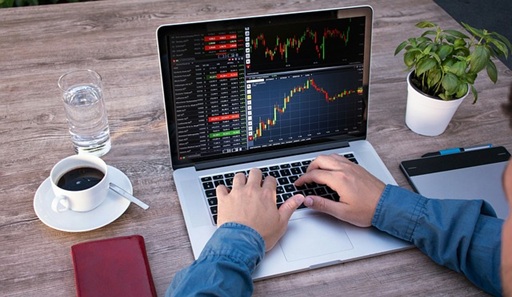
Not every frustration justifies a switch. But certain patterns signal it is time to move on.
Deteriorating execution quality. Your orders used to fill instantly. Now you notice delays, requotes, or slippage that consistently works against you. Execution quality rarely improves over time. It usually worsens.
Widening spreads during your trading hours. Some brokers widen spreads during Asian or London sessions. If your active trading hours now have uncompetitive spreads, you are paying too much.
Withdrawal delays. Deposits are always easy. Withdrawals reveal the truth. If withdrawals take longer than advertised or require repeated follow-ups, that is a red flag.
Poor customer support response. Support that was responsive when you opened the account may become slow or unhelpful later. Test them before you need them.
Platform reliability issues. Charts freezing, order buttons lagging, or mobile apps crashing during volatility are not acceptable. These are infrastructure problems, not bad luck—which is why testing a platform like FXCM on a demo account first is so valuable.
What to Prepare Before You Switch Forex Brokers Malaysia
Do not rush the process. Proper preparation prevents problems.
Export your trade history. Most platforms allow you to export your transaction history. Do this before closing your account. You will want this data for your trading journal and tax records.
Document your open positions. If you have open trades, decide how to handle them before switching (more on this later).
Know your strategy requirements. Different brokers suit different trading styles. A scalper needs different execution than a swing trader. Know what you need before shopping around.
Have your documents ready. Account opening requires identification and proof of address. Have soft copies ready to speed up verification.
How to Compare Forex Brokers Side by Side
Do not rush this step. Test before you commit.
|
Factor |
What to Look For |
How to Test |
|
Regulation |
FCA, ASIC, CySEC, or Labuan FSA |
Verify on regulator's website |
|
Spreads |
Competitive for your pairs |
Compare during your trading hours |
|
Execution |
Fast, minimal requotes |
Trade micro lots during news |
|
Platform |
MT4, MT5, or proprietary that you like |
Demo account first |
|
Withdrawals |
Fast, no hidden fees |
Test with small amount |
|
Support |
Responsive during your trading hours |
Ask questions before depositing |
Do not trust marketing claims. Test everything yourself with a demo account first, then with a small live account.
Why You Should Test Two Brokers Before Choosing One
This is the most important part of switching. Do not close your old account immediately.
Instead, run both brokers side by side for 2-4 weeks.
|
Week |
Action |
|
Week 1 |
Open new account, deposit small amount, test withdrawals |
|
Week 2 |
Trade both brokers simultaneously with micro lots |
|
Week 3 |
Compare execution, spreads, and support responses |
|
Week 4 |
If satisfied, gradually move more capital to new broker |
Why overlap matters: You need real data, not promises. Comparing fills side by side tells you more than any review site.
How to Transfer Your Trading Data: Charts, Indicators and Alerts
Moving your charts and settings from one broker to another takes time. Plan for it.
Export chart templates. Most platforms let you save chart templates. Export these or recreate them on the new platform.
Document your indicators. Note down the settings for any custom indicators you use. You will need to recreate them.
Set up alerts again. Price alerts do not transfer. Recreate them manually on the new platform.
Rebuild your watchlist. Your list of watched instruments will need to be recreated.
This is tedious work. Set aside an afternoon to do it properly.
What to Do with Open Positions When Switching
The cleanest approach is to close all positions before switching brokers.
Option 1: Close and reopen. Close all open positions on your old broker. Withdraw your funds. Deposit to new broker. Open new positions. This takes time but avoids complexity.
Option 2: Hedge across brokers. If you cannot close positions (e.g., long-term holds), you can open opposite positions on the new broker to lock in profits or losses. This is advanced and requires careful tracking.
Option 3: Transfer positions. Some brokers allow position transfers, but this is rare and usually only for large accounts. Do not count on this option.
For most Malaysian traders, closing and reopening is the simplest, safest approach.
Common Mistakes When Changing Forex Brokers
Avoid these errors.
Closing your old account too soon. You lose the ability to compare. Keep both accounts open during the testing period.
Not testing withdrawals first. A broker can look great on execution but fail on withdrawals. Test withdrawals with a small amount before moving significant capital.
Ignoring swap fees. Overnight financing rates vary between brokers. If you hold positions overnight, compare swap rates.
Overlooking deposit methods. Ensure the new broker supports your preferred deposit and withdrawal methods (FPX, bank transfer, e-wallets).
Forgetting about minimum deposit requirements. Some brokers have higher minimum deposits than others. Check before opening.
How Long Does It Take to Switch Forex Brokers Malaysia?
Do not expect to switch in a day. A proper transition takes time.
|
Step |
Estimated Time |
|
Research and shortlist brokers |
1-2 weeks |
|
Demo account testing |
1 week |
|
Small live account testing |
1-2 weeks |
|
Overlap period |
2-4 weeks |
|
Full transition |
4-8 weeks total |
Rushing the process increases the chance of choosing the wrong broker.
Final Thought
Switching forex brokers Malaysia is not something to do lightly. But staying with a broker that no longer serves you well is a hidden cost that accumulates over time.
The process takes 4-8 weeks. That may feel long. But consider how long you plan to trade. A few weeks of effort for years of better trading conditions is a worthwhile investment.
Test before you commit. Overlap before you switch. And never stop evaluating.
The best broker for you today may not be the best broker for you next year. That is not failure. That is growth.
FAQs
Q: How do I know if I should switch brokers?
A: Track your trading costs and execution quality over time. If spreads have widened, withdrawals slowed, or support become unresponsive, it is time to consider switching.
Q: Can I transfer my open positions to a new broker?
A: Rarely. Most brokers do not allow position transfers. The standard approach is to close positions on the old broker and reopen them on the new one.
Q: Will switching brokers affect my trading history?
A: Yes. Export your trade history from the old platform before closing the account. You will need this for your records.
Q: How much does it cost to switch brokers?
A: There are no direct switching fees, but you may incur spread costs when closing and reopening positions. Withdrawal fees vary by broker.
Q: What is the most important factor when choosing a new broker?
A: For most traders, execution quality and withdrawal speed matter more than tight spreads. A broker with slightly wider spreads but reliable execution is better than one with tight spreads and constant issues.
[Disclaimer] The articles above are purely personal opinions and are not intended to be investment advice. Only for the purpose of mutual learning and sharing. There is no express or implied warranty regarding the accuracy or completeness of the above-mentioned information. Anyone who relies on the information, ideas, or data contained in this article does so entirely at their own risk.