
Where the Gold Investment Trend Is Heading: Central Banks, ETFs and Digital Gold
Categories: Gold and Commodities Trading
Tags: gold investment trend
Publish date: 2026-10-5
How Gold Investment Trends Are Shaping the Market
Gold is ancient. The ways people invest in it are not.
For centuries, owning gold meant holding physical bars, coins, or jewellery. That is still true. But alongside those traditional forms, a new landscape has emerged. Central banks are buying gold at levels not seen in decades. Exchange-traded funds have made gold accessible to millions of investors who will never hold a physical bar. Digital platforms now allow fractional ownership starting from a few ringgit.
The gold investment trend is not about whether gold is a good investment. That question has been asked and answered across centuries. The trend is about how people access gold, who is buying it, and what those shifts mean for the market.
This article explores the major forces reshaping gold investment — from central bank reserves to digital gold platforms — and what they mean for individual investors.
Central Banks Are Buying Gold at Historic Levels
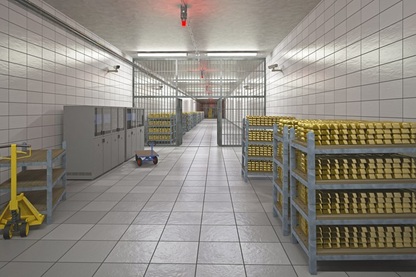
The most significant structural shift in the gold market over the past decade has been the return of the central bank as a major buyer.
What Is Happening
Central banks collectively purchased over 1,000 tonnes of gold annually in 2022 and 2023 — more than double the average of the previous decade. The buying has been concentrated in a handful of countries.
- China has been the largest buyer, adding to its reserves as part of a broader strategy to diversify away from US dollar assets
- India has steadily accumulated gold, reflecting both reserve management and cultural affinity for the metal
- Turkey has been a significant buyer, driven in part by domestic demand for gold as a store of value during periods of high inflation
- Poland, Singapore, and other emerging economies have also been net purchasers
Why It Matters
Central banks hold gold for reasons that have not changed in centuries. It is a reserve asset with no counterparty risk. It cannot be frozen, sanctioned, or defaulted on. It diversifies reserves away from foreign currencies, particularly the US dollar.
When central banks buy gold, they do so for the long term. They are not trading positions. They are structural holders. This creates a floor of demand that did not exist to the same degree a decade ago.
For individual investors, central bank buying does not guarantee higher gold prices. But it signals that the institutions responsible for the world's monetary stability continue to treat gold as a core reserve asset. That is a trend worth noting.
Gold ETFs Have Democratised Gold Investment
The launch of the first gold-backed exchange-traded fund in 2003 changed how investors access gold. Today, gold ETFs hold over 3,000 tonnes of gold globally.
What Changed
Before gold ETFs, an investor who wanted gold exposure had to buy physical metal and arrange storage, or buy gold mining stocks which carry different risks. ETFs made gold accessible through a standard brokerage account, bought and sold like any other stock during market hours.
Why It Matters
- Lower barriers. An investor can gain gold exposure with the price of a single ETF share, without meeting minimum dealer purchase requirements
- ETFs can be bought and sold instantly during market hours. Physical gold requires a trip to a dealer or a shipping process
- No storage concerns. The ETF provider handles vaulting and insurance
The growth of gold ETFs has broadened the investor base. Gold is no longer the preserve of those willing to manage physical metal. It is available to anyone with a brokerage account.
The trade-off is counterparty risk. A gold ETF is a financial product, not physical metal held directly. The investor trusts the fund manager and the custodian. For those who prioritise direct ownership, physical gold — such as 24k gold bullion bars and coins — remains the only form that carries no counterparty risk at all.
Digital Gold Is Lowering the Entry Barrier Further
If ETFs democratised gold for brokerage account holders, digital gold platforms are doing the same for everyone else.
What Digital Gold Offers
Digital gold platforms allow investors to buy fractional amounts of physical gold through an app or website. The gold is stored by the provider in a vault. The investor owns a share of that gold, tracked digitally.
- Minimum investments can be as low as RM10
- Purchases take seconds
- Storage is handled by the provider
- Some platforms allow conversion to physical gold
What to Watch For
Digital gold is convenient, but it is not the same as holding physical metal. The investor depends on the platform's financial health, its custody arrangements, and its redemption policies. Some providers hold allocated gold — specific bars in the investor's name. Others hold unallocated gold — a claim on a pool of metal. The difference matters in the event of the provider's insolvency.
Digital gold is a trend driven by demand for convenience. It is not replacing physical gold. It is expanding the market to investors who would not otherwise participate.
De-Dollarisation and Gold's Role
A broader geopolitical trend is shaping gold demand: the desire among some countries to reduce dependence on the US dollar.
What Is Driving This
The use of dollar-denominated financial sanctions over the past decade has prompted some countries to seek alternatives. Gold is one of them. Unlike foreign currency reserves, gold cannot be frozen by another government. It is nobody's liability.
Central bank buying from China, Russia, and other countries partly reflects this motivation. It is not that the dollar is being replaced. It is that countries are hedging against the risk of dollar dependence.
What It Means for Gold
De-dollarisation is a slow-moving structural trend. It does not cause daily price moves. But over years and decades, it adds a source of demand for gold that is independent of interest rates, inflation, or jewellery consumption. It is a policy-driven, long-term bid.
Asian Demand Is Shifting from West to East
The geography of gold demand has shifted over the past two decades. The traditional centres of gold trading — London, Zurich, New York — remain important for price discovery and institutional trading. But the end demand for physical gold has moved east.
- China and India together account for more than half of global consumer gold demand annually
- Southeast Asian markets, including Malaysia, have growing middle classes with cultural affinity for gold
- Central bank buying is concentrated in Asia
This shift means Asian economic conditions — growth rates, savings patterns, cultural events — now drive gold demand as much as Western monetary policy. The price of gold in dollars is still set in London and New York. But the floor under that price increasingly comes from Asia.
For Malaysian investors, this trend reinforces what is already familiar. Gold is part of the culture. The global market is moving toward that view, not away from it.
Sustainable and Ethical Gold
A newer trend in gold investment is the growing focus on how gold is produced.
What Investors Are Asking
- Was this gold mined responsibly?
- Were environmental standards followed?
- Were labour practices fair?
- Does the gold come from a conflict-free source?
How the Industry Is Responding
- The London Bullion Market Association requires refiners on its Good Delivery List to meet responsible sourcing standards
- Some refiners now offer certified responsibly sourced gold bars
- Blockchain-based tracking systems are being developed to trace gold from mine to vault
Sustainable gold is not yet a major price driver. But it is a trend that matters for investors who consider environmental and social factors alongside financial returns. Over time, responsibly sourced gold may command a premium — or gold without such certification may trade at a discount.
What These Trends Mean for Individual Investors
Trends are not trading signals. They do not tell you when to buy or sell. But they provide context for decisions that might otherwise be made in the dark.
|
Trend |
What It Means |
|
Central bank buying |
Structural demand that supports gold over the long term |
|
ETF growth |
Gold is accessible to more investors than ever before |
|
Digital gold |
Fractional ownership is expanding the investor base |
|
De-dollarisation |
Gold's role as a reserve asset is being reinforced |
|
Asian demand shift |
Demand growth is coming from markets with cultural gold affinity |
|
Sustainable gold |
Ethical sourcing is becoming a factor in investor decisions |
For the individual investor, the trend that matters most is the one that aligns with their goals. An investor seeking long-term wealth preservation may find the central bank trend reassuring. An investor wanting convenience may find digital gold appealing. An investor who values direct ownership may find the trends interesting but irrelevant to their decision to hold physical bars.
Final Thought
The gold investment trend is not about whether gold will go up or down next month. It is about how the gold market is changing structurally — who buys, how they buy, and what matters to them.
Central banks are buying more. ETFs have broadened access. Digital platforms have lowered barriers. Asian demand has grown. Sustainability is entering the conversation. These shifts do not replace the old ways of owning gold. They add to them.
For investors, understanding these trends provides a backdrop for personal decisions. The metal itself does not change. Scarcity, durability, and the absence of counterparty risk remain its foundations. How investors access those qualities is what is evolving.
FAQs
Q: Are central banks still buying gold in 2025 and 2026?
A: Central bank purchasing has remained strong, particularly from China, India, and Turkey. The pace can vary year to year, but the trend of central banks being net buyers has been consistent for over a decade.
Q: How does digital gold differ from a gold ETF?
A: A gold ETF is an exchange-traded fund listed on a stock exchange. Digital gold is typically a fractional ownership of physical gold stored by a platform provider. ETFs are regulated investment products. Digital gold platforms vary in structure and regulation.
Q: Is the gold held by ETFs physically backed?
A: Most major gold ETFs are physically backed, meaning they hold actual gold bars in vaults. The gold is held by a custodian, usually a bank. Investors own shares in the fund, not the gold itself.
Q: Does sustainable gold cost more than regular gold?
A: Currently, sustainably certified gold bars generally trade at similar prices to non-certified bars of the same weight and purity. Premiums may develop over time if investor demand differentiates between the two.
Q: How does de-dollarisation actually increase gold demand?
A: When countries seek to reduce their reliance on US dollar reserves, they often increase gold holdings as an alternative. This creates additional central bank demand that is structural rather than speculative.
[Disclaimer] The articles above are purely personal opinions and are not intended to be investment advice. Only for the purpose of mutual learning and sharing. There is no express or implied warranty regarding the accuracy or completeness of the above-mentioned information. Anyone who relies on the information, ideas, or data contained in this article does so entirely at their own risk.
Next post: What 24k Gold Bullion Is and Why Purity Matters
Previous post: 📊 Daily Market Update | 02 October 2026