
Forex Exchange Malaysia: How the Currency Market Functions
Categories: Forex Trading
Tags: forex exchange malaysia
Publish date: 2026-8-13
Forex Exchange Malaysia: An Overview of Currency Trading
Currency exchange is a routine part of life for many people in Malaysia, whether for travel, business imports, or sending money abroad. The term forex exchange Malaysia broadly describes the process of converting Malaysian ringgit into foreign currencies or vice versa.
Beyond everyday transactions, a larger market exists where currencies are actively traded based on changing prices. This article explains how forex exchange works in Malaysia, outlines the main factors that move exchange rates, and describes the different channels through which currency exchange takes place.
How the Forex Market Operates
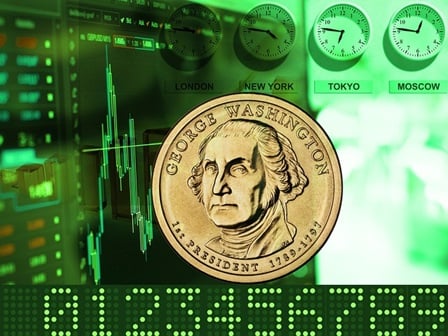
The foreign exchange market is a global network where currencies are traded around the clock. It is not a single physical exchange but a decentralised system connecting banks, financial institutions, businesses, and individual traders across different time zones.
Trading sessions move from Asia to Europe to North America, meaning a currency pair like USD/MYR can be affected by events in Kuala Lumpur, London, or New York within the same day. Each session brings its own liquidity and volatility characteristics, which participants may take into account when deciding when to monitor the market.
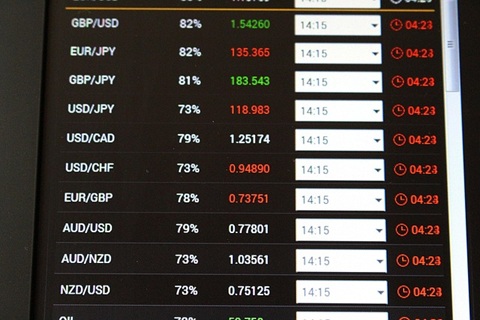
Currencies are always quoted in pairs in forex currency Malaysia. The first currency is the base, and the second is the quote. In USD/MYR, for example, the rate shows how many ringgit are required to purchase one US dollar. A movement in the rate simply reflects a shift in the relative value of the two currencies.
Channels for Forex Exchange in Malaysia
Individuals in Malaysia can exchange currencies through several established channels. Each serves different purposes and comes with its own features.
|
Channel |
Common Use |
Settlement |
|
Licensed money changers |
Travel money, small remittances |
Immediate cash |
|
Commercial banks |
Business payments, larger transfers |
Electronic, typically within two days |
|
Online trading platforms |
Speculative or hedging activity |
No physical delivery; positions track price changes |
Money changers and banks facilitate spot transactions, where currency is delivered at the prevailing rate. This is straightforward and settled quickly. Online platforms, by contrast, often allow traders to open positions based on price movements without physically holding the currency. These are typically derivative instruments such as contracts for difference, and they introduce leverage, which can increase both potential returns and potential losses.
Anyone considering an online platform may find it useful to check whether the provider is licensed and where it is regulated. Different jurisdictions offer different levels of oversight.
What Moves Exchange Rates
Exchange rates between the ringgit and other currencies respond to a combination of domestic and international factors. No single factor operates in isolation, and the interplay between them can create both short-term noise and longer-term trends.
- Interest rates: When Bank Negara Malaysia raises or lowers the Overnight Policy Rate, it can influence demand for the ringgit. Higher rates may attract capital inflows, while lower rates may reduce them.
- Economic data: Reports on GDP, employment, inflation, and trade balances can shape market expectations about the strength of the economy and the direction of monetary policy.
- Commodity prices: As a commodity-exporting country, Malaysia's currency can be sensitive to shifts in palm oil and crude oil prices. A sustained rise in commodity prices may support export earnings and ringgit demand.
- Global sentiment: During periods of global uncertainty, investors sometimes move funds into currencies perceived as safer, such as the US dollar. This can weaken the ringgit regardless of domestic conditions.
- Central bank policy: Bank Negara Malaysia operates a managed float. The ringgit is generally determined by market forces, but the central bank may intervene if movements become excessively volatile.
Experienced market participants tend to track several of these factors together rather than relying on any single indicator.
Spot Exchange and Online Currency Trading
It is worth distinguishing between spot exchange and online currency trading, as they are often conflated.
Spot exchange means buying or selling currency for immediate delivery. A traveller visiting a money changer is conducting a spot transaction. The rate is locked at the point of exchange, and the transaction is final.
Online currency trading through a broker typically does not involve taking delivery of currency. Instead, traders speculate on whether a pair will rise or fall. Any profit or loss depends on the difference between the opening and closing price of the position. Leverage is commonly available, meaning a trader can control a larger position with a smaller deposit. While leverage can magnify gains, it can also magnify losses, and positions can move against the trader quickly.
Understanding this distinction can help individuals choose the approach that matches their needs. To experience online currency trading without the risk of leverage, you can open a FXCM demo account and practice with virtual funds.
The Ringgit in Regional Context
The Malaysian ringgit is not one of the world's most heavily traded currencies, but it holds a meaningful position in Southeast Asian currency markets. The most active pairs typically include USD/MYR and SGD/MYR, reflecting Malaysia's trade relationships with the United States and Singapore.
Cross rates with the Thai baht and Indonesian rupiah also see some activity in regional centres. These pairs tend to be less liquid than major global pairs, which can result in wider spreads and sharper price movements during news events or periods of low liquidity.
Traders who watch ringgit pairs often monitor economic developments in Malaysia's major trading partners, as changes in those economies can flow through to exchange rates.
Points to Keep in Mind
For those thinking about participating in forex exchange, whether through a money changer, bank, or online platform, a few practical points may help set realistic expectations.
- Costs vary by channel: Money changers and banks typically build their margin into the exchange rate spread. Online platforms may charge a spread, a commission, or both.
- Licensing matters: In Malaysia, money changers and banks must be licensed. Online platforms may be licensed offshore. Checking a provider's regulatory status can offer a clearer picture of the protections available.
- Leverage is a double-edged tool: It can make small price movements meaningful, but it also increases the speed at which losses can accumulate.
- Keeping a record can be useful: A simple log of exchange rates and trade decisions may help individuals spot patterns in their behaviour over time.
- Tax considerations may apply: Depending on the nature and frequency of trading, tax obligations may arise. Professional advice can clarify individual circumstances.
These points are not recommendations. They simply reflect practices that many experienced market participants have adopted.
FAQs
Q: Is forex trading legal in Malaysia?
A: Yes, when conducted through licensed banks, money changers, or regulated platforms. Individuals should verify the licensing status of any platform they consider using.
Q: What is the difference between a money changer and an online forex platform?
A: A money changer exchanges physical currency at the spot rate. An online platform usually offers derivative products where traders speculate on price movements without taking delivery of the currency.
Q: What currency pair is most commonly traded with the ringgit?
A: USD/MYR is the most widely quoted pair, followed by SGD/MYR.
Q: Does Bank Negara Malaysia set the exchange rate?
A: It operates a managed float. The rate is determined mainly by supply and demand, though the central bank may step in to curb excessive volatility.
Q: When is the forex market most active in Malaysian time?
A: The market is active throughout the working week. Many traders pay attention to the overlap between the London and New York sessions, which falls in the evening in Malaysia.
[Disclaimer] The articles above are purely personal opinions and are not intended to be investment advice. Only for the purpose of mutual learning and sharing. There is no express or implied warranty regarding the accuracy or completeness of the above-mentioned information. Anyone who relies on the information, ideas, or data contained in this article does so entirely at their own risk.